100 AMP vs. 200 AMP Panel — What Is the Difference?
A 100-amp service can still be adequate for many Lower Mainland homes, while a 200-amp service provides more flexibility for electric heating, EV charging, suites and renovations. The right choice is not based only on square footage or the number printed on the main breaker. It comes from the home’s complete electrical demand, equipment condition and future plans.
What the amp rating actually means
The service rating describes the capacity of the approved service equipment and conductors. It does not mean a 100-amp home constantly uses 100 amps or that a 200-amp home consumes twice as much electricity. Energy use depends on what equipment operates and for how long.
A larger service does not reduce the electricity bill by itself. Its benefit is the ability to support more simultaneous demand and more circuit options when the rest of the installation is designed accordingly.
How the service, panel and branch circuits work together
BC Hydro supplies power to the service point. The meter records energy use, the main service equipment limits and disconnects the supply, and the panel distributes power to branch circuits. Each branch circuit has a breaker selected to protect its wiring and connected equipment.
Every component must be coordinated. Installing a 200-amp panel on a 100-amp service does not create 200 amps of capacity. The utility connection, meter equipment, service conductors, main device, grounding and panel must all support the approved rating.
When 100 amps may be enough
A modest home with gas heating, gas hot water, a gas range and no major new electrical loads may operate comfortably on 100 amps. Even a home with some electric appliances can remain within capacity when the load calculation supports it.
Condition matters as much as size. A well-maintained modern 100-amp panel can be a better system than a damaged or poorly installed 200-amp panel. Do not replace service equipment solely because a neighbour upgraded.
Why modern homes sometimes outgrow 100 amps
Electrification adds large loads that may operate for long periods. EV chargers, heat pumps with backup heat, electric water heaters, induction ranges, dryers, hot tubs, saunas, workshops and secondary suites can accumulate quickly.
The issue is simultaneous demand. A home may handle each appliance individually but exceed the acceptable service demand when several operate together. The load assessment accounts for permitted demand factors rather than simply adding every breaker rating.
Does an EV charger require 200 amps?
No. BC Hydro notes that many homes have enough capacity for Level 2 charging without a service upgrade. The electrician may install a lower-output charger, use actual demand information where accepted, or add an EV load management system.
A service upgrade becomes more attractive when the home also plans a heat pump, suite, second EV or other large loads. The decision should consider the next several years, not only the first charger.
Panel space versus electrical capacity
A panel can be full of breakers and still have service capacity, in which case a subpanel or larger 100-amp panel may solve the physical-space problem. The opposite is also possible: a panel can have empty positions while the service has little spare capacity.
This distinction is important because a panel upgrade may be less involved than a full service upgrade. The quote should clearly state whether the service rating is changing.
When 200 amps is a practical investment
A 200-amp service is often sensible during a major renovation, custom-home project or complete panel replacement when the property is moving toward electric heating and transportation. It can reduce the need for future load restrictions and provide space for a more organized distribution system.
The upgrade is also useful for homes with two living units, detached buildings or extensive outdoor equipment. Larger custom homes may need more than 200 amps, which requires early utility planning.
What a 100A-to-200A upgrade involves
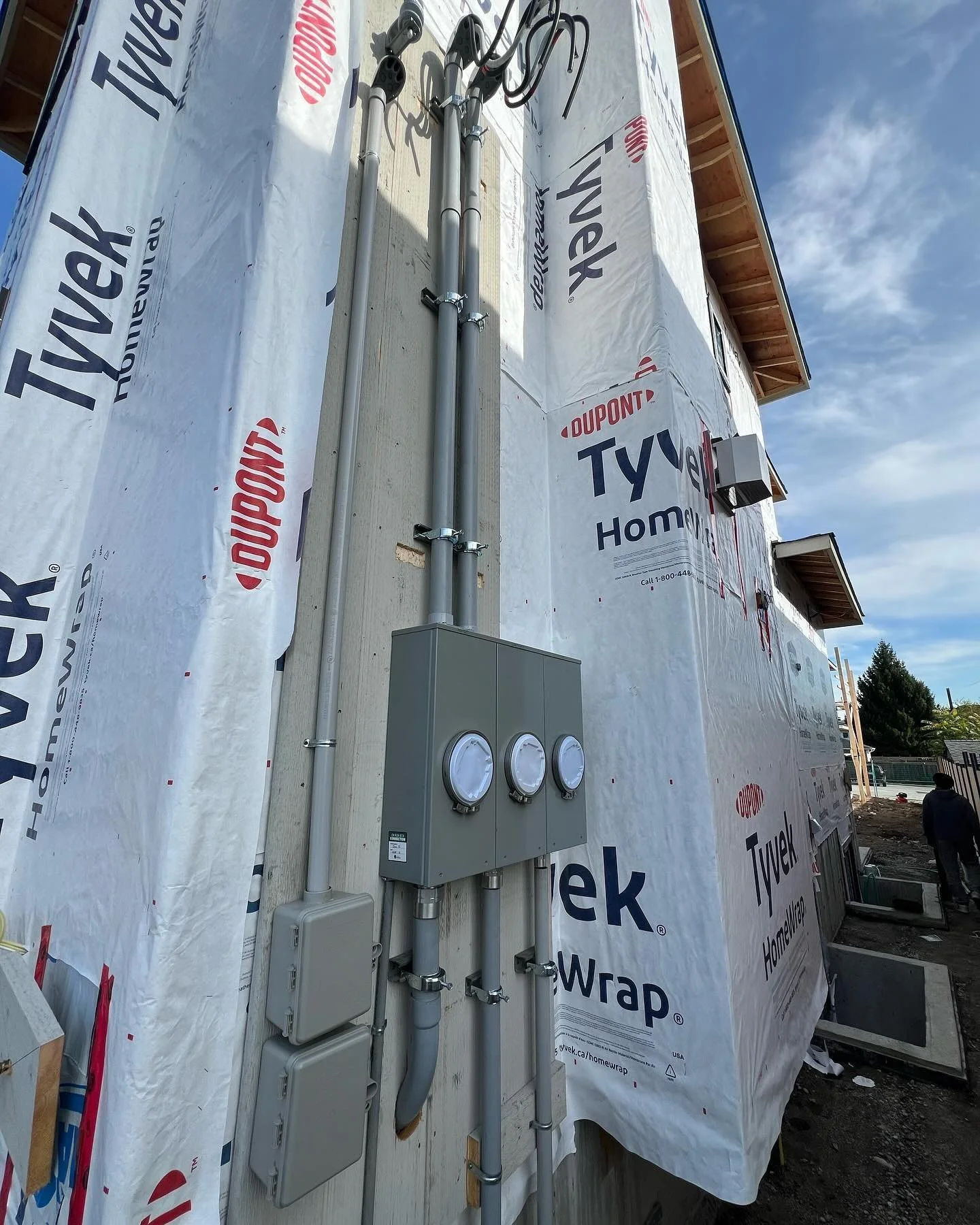
The work can include a new panel, main breaker, meter base, service conductors, mast or underground conduit, grounding and bonding, permit, utility request, disconnect and reconnect, circuit transfer and labeling. The exact scope depends on whether the service is overhead or underground and whether current clearances can be met.
Finished walls, landscaping, driveways and service location can affect cost. A simple panel swap is not the same as a complete capacity upgrade.
Can load management be a long-term solution?
Yes, when the owner is comfortable with controlled operation and the system is approved for the application. An EV charger can pause while other loads operate, or selected appliances can be interlocked. This can preserve a 100-amp service for years.
Load management is less attractive when several future loads all need control or when service equipment is old and due for replacement. Compare the cost, convenience and long-term plan rather than treating one option as universally better.
How to determine your current service size
The main breaker often displays the service rating, but labels and equipment must be interpreted carefully. Some homes have split service equipment or panels with ratings different from the actual main protection. A photo of the full panel, main breaker, meter and service entrance helps the electrician confirm the arrangement.
Frequently asked questions
Is 100 amps unsafe?
No. A properly installed and adequately sized 100-amp service is not inherently unsafe. Problems arise from overload, deterioration, incompatible equipment or poor alterations.
Will 200 amps increase resale value?
It can make a home more attractive to buyers planning EVs, heat pumps or suites, but value depends on the market and quality of the complete installation. It should primarily be justified by capacity and condition.
Can I upgrade the panel now and service later?
Sometimes, but doing the work in two stages can duplicate labour and equipment. Discuss the long-term plan before selecting the first panel.
How do I get an accurate recommendation?
Provide the existing equipment, current loads and planned additions. A load assessment and site review are more reliable than rules based only on home size.
Lower Mainland electrical service
Not sure whether 100 amps is enough for your plans?
Send Hundel Electric your panel, meter, appliance and future-load information. We can compare the existing capacity with a subpanel, load-management system or complete 200-amp upgrade.
This article provides general information for property owners in British Columbia. Electrical requirements depend on the property, equipment, local authority and current code interpretation. A site-specific assessment and the required permit process should be completed before electrical work begins.