Heat Pump Electrical Requirements in the Lower Mainland
A heat pump is a mechanical system, but the electrical design can determine whether the installation is simple or whether the home needs new circuits, panel work, load management or a service upgrade. The exact requirement depends on the outdoor unit, indoor equipment, backup heat, disconnects and the home’s existing electrical demand.
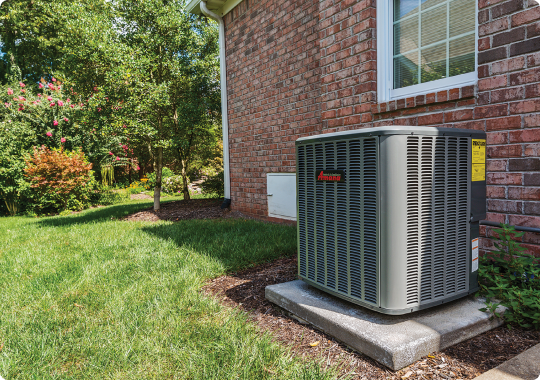
Why heat-pump electrical requirements vary
A small ductless mini-split and a central ducted heat pump with electric backup heat are very different electrical projects. The outdoor unit may require one dedicated circuit, while the air handler, fan coil, crankcase heater, condensate pump or auxiliary heat kit may require additional circuits.
The manufacturer’s nameplate and installation manual provide the electrical ratings used to size conductors, breakers and disconnecting means. The equipment’s heating output or marketing description is not enough.
The outdoor unit usually needs a dedicated circuit
The condenser or outdoor heat-pump unit is normally supplied by a dedicated branch circuit. The conductor and breaker are selected using the equipment markings and applicable electrical rules, not a generic table alone.
A disconnecting means is typically installed within sight of or near the outdoor equipment as required. The disconnect, conduit, fittings and cable must be suitable for outdoor exposure and the specific installation route.
Indoor equipment may add another circuit
Ductless indoor heads are often powered through the outdoor unit, but central systems can include an air handler or fan coil with separate electrical requirements. Some systems also include electric resistance backup heat, which can add a large load.
Backup heat is one of the most important details to confirm. A system described as a heat pump may have a relatively modest compressor circuit but a much larger auxiliary heater. The total service assessment must include both.
Panel space is not the same as service capacity
An empty breaker position only confirms physical space, and even that must be checked against the panel design. It does not prove the home has enough electrical capacity. The electrician must review existing loads such as the range, dryer, water heater, EV charger, hot tub and electric heating.
A load calculation or accepted demand-data method determines whether the new equipment can be added. Some homes need only the new circuits. Others need a subpanel, load control or a complete service upgrade.
Replacing gas heating with electric equipment
Converting from a gas furnace to an all-electric heat pump can increase electrical demand, especially when electric backup heat is included. The existing furnace circuit may not be suitable for the new equipment. New wiring and overcurrent protection are often required.
If the project also replaces a gas water heater, range or fireplace with electric equipment, assess the complete electrification plan at once. Designing one appliance at a time can lead to repeated panel work or an undersized service strategy.
Heat pumps in homes with 100-amp service
A 100-amp home can sometimes support a heat pump, particularly when the system is efficient, backup heat is limited and other major loads are gas. The correct answer depends on the actual equipment and home demand.
When capacity is tight, options can include selecting equipment with lower auxiliary load, controlling other discretionary loads, using an EV management system, or upgrading the service. The HVAC contractor and electrician should coordinate before the equipment is ordered.
Location and wiring route affect price
An outdoor unit near an unfinished basement panel may be straightforward. A unit across a finished home, on a rooftop, behind concrete or far from the panel can require longer conduit routes, access work and weatherproof fittings.
The electrical estimate should identify whether patching, trenching, coring, fire stopping or finish restoration is included. These items can create more cost variation than the breaker itself.
Permits and coordination
Heat-pump projects can involve electrical, refrigeration and sometimes gas permits, depending on the scope. Each contractor is responsible for the regulated work under its licence. The electrical contractor should obtain the electrical permit for the new circuits and equipment connection.
Do not let one contractor tell you that another contractor’s permit covers all trades. Confirm who is responsible for each permit, inspection and final connection before work starts.
What to send for an electrical quote
Provide the complete outdoor and indoor model numbers, equipment data sheets, backup heat size, panel photos, main breaker rating, proposed equipment locations and approximate wiring route. Note any EV charger, hot tub, suite, electric water heater or planned future load.
Photos alone may support a preliminary estimate, but a site review is often needed to confirm access, cable route and service capacity.
Common planning mistakes
The most common mistake is purchasing equipment before the electrical review. Another is assuming the old furnace circuit can be reused. Homeowners also underestimate backup heat, forget the indoor-unit circuit or plan the outdoor unit where a compliant disconnect and wiring route are difficult.
Good coordination before installation prevents the HVAC crew from arriving with equipment that cannot be energized without unexpected panel or service work.
Frequently asked questions
Does every heat pump need a 200-amp service?
No. Many installations can be completed on 100-amp or 125-amp services. The decision depends on the complete load assessment and selected equipment.
Can the heat pump share a circuit with the furnace?
Do not assume so. The manufacturer’s requirements and wiring design determine the circuits. Central systems may use separate outdoor, indoor and backup-heat supplies.
Who supplies the disconnect?
This should be stated in the contract. The electrician commonly supplies and installs the electrical disconnect, wiring and breaker, while the HVAC contractor supplies and connects the mechanical equipment under the coordinated scope.
Can I add an EV charger after the heat pump?
Possibly, but both loads should be considered together now. Future planning may support a larger panel, service upgrade or load-management strategy before finishes are complete.
Lower Mainland electrical service
Installing a heat pump in Delta, Surrey or the Lower Mainland?
Send the final equipment specifications and panel photos before installation day. Hundel Electric can confirm the circuits, assess capacity and coordinate the electrical permit and connection.
This article provides general information for property owners in British Columbia. Electrical requirements depend on the property, equipment, local authority and current code interpretation. A site-specific assessment and the required permit process should be completed before electrical work begins.