Smoke and Carbon Monoxide Detectors in BC — What the Code Actually Requires
Smoke and carbon monoxide alarms are simple devices, but their placement, power source, interconnection and replacement age matter. Requirements can depend on the age of the building, renovation scope, occupancy and local authority, so homeowners should avoid relying on a single rule copied from another province or an old internet article.
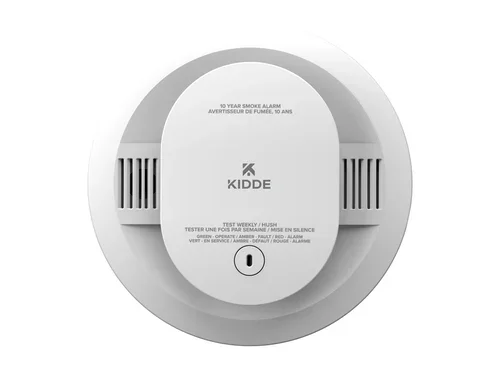
Smoke alarms and carbon monoxide alarms do different jobs
A smoke alarm is designed to detect products of combustion from a fire. A carbon monoxide alarm detects a colourless, odourless gas produced when fuel does not burn completely. One device does not automatically replace the other, although combination smoke-and-CO alarms can provide both functions when approved and installed correctly.
Homes with gas furnaces, boilers, fireplaces, wood-burning appliances or attached garages have potential carbon monoxide sources. Even all-electric homes still need smoke alarms because electrical, cooking and other fires remain possible.
Where smoke alarms are generally needed
Modern guidance emphasizes alarms inside sleeping rooms, outside separate sleeping areas and on every level, including basements. The exact legal requirement for an existing home may depend on its construction date and alterations, but upgrading toward comprehensive coverage improves early warning.
Large homes, additions and suites may need extra devices so occupants can hear the alarm throughout the building. Closed bedroom doors, sound insulation and separate floors can reduce audibility, which is why placement and interconnection matter.
Why interconnected alarms are valuable
Interconnected alarms cause all connected devices to sound when one detects smoke or carbon monoxide. A fire beginning in a basement, garage-adjacent area or distant bedroom can therefore warn occupants on another floor sooner than a single stand-alone alarm.
Interconnection may be achieved through hardwired conductors or approved wireless technology, depending on the product and installation. Devices from different manufacturers or product generations are not always compatible. An electrician should confirm the interconnection method before replacing only one alarm in an existing system.
Hardwired, battery and sealed-battery alarms
Hardwired alarms receive normal power from the building electrical system and usually include battery backup. Battery-only alarms may be permitted in certain older dwellings or specific replacement situations. Sealed long-life battery alarms reduce the chance that occupants remove a replaceable battery and fail to reinstall it.
The correct choice depends on the existing wiring and applicable requirements. A hardwired alarm should not be replaced with a battery-only model simply because the connector does not match. The wiring and compatibility should be reviewed.
Alarm age matters even when the test button works
The test button confirms portions of the electronics and sounder, but it does not guarantee that an aged sensor performs like a new one. Smoke and CO alarms have a manufacturer-specified replacement life, often shown by a manufacture or replace-by date on the back.
If the date is missing, illegible or past the stated service life, replace the device. When several interconnected alarms are the same age, replacing them as a set can avoid repeated compatibility and nuisance issues.
Why alarms chirp
A periodic chirp can indicate a low backup battery, end-of-life warning, power interruption, fault or contamination. The pattern is product-specific, so check the model instructions. Replacing the battery may solve a low-battery chirp, but it will not correct an expired sensor or failed alarm.
If a hardwired alarm continues chirping after the battery is replaced, confirm that the circuit has power and that the connector is secure. Do not disconnect the alarm and leave the location unprotected.
Nuisance alarms near kitchens and bathrooms
Cooking particles and steam can trigger alarms when the device is poorly located or the wrong sensor type is used. The solution is not to remove the alarm. Better placement, ventilation or a more suitable approved alarm type can reduce nuisance operation while maintaining protection.
Dust and insects can also affect sensors. Follow the manufacturer’s cleaning instructions and avoid painting alarms or blocking their openings.
Secondary suites and renovations
Adding a legal suite or substantially renovating a home can trigger updated requirements for alarm locations, interconnection and power supply. A suite may also create shared egress and common areas that require coordination between the building designer, municipality and electrical contractor.
Plan the alarm layout before drywall. Retrofitting interconnection after ceilings are finished can add damage and cost. Hundel Electric can coordinate alarm wiring as part of renovations and new builds.
Carbon monoxide safety is not only an electrical issue
An alarm warns occupants but does not correct the source. Fuel-burning equipment needs proper installation, venting and maintenance. Never operate vehicles, generators, barbecues or fuel-burning equipment in an enclosed garage or near openings where exhaust can enter the home.
If a CO alarm sounds, move occupants to fresh air and follow emergency guidance. Do not silence the alarm and stay inside while trying to identify the source.
Testing and maintenance
Use the test button at the frequency recommended by the manufacturer and replace backup batteries as instructed. Keep alarms free from paint, dust and obstruction. Review the household escape plan so everyone recognizes the sound and knows where to meet outside.
For rental or strata properties, document testing and replacement dates. Responsibility for devices may depend on the tenancy agreement, strata bylaws and applicable law, but life-safety maintenance should never be delayed while responsibility is debated.
Frequently asked questions
Can I mix different alarm brands?
Not unless the manufacturers specifically identify the products as compatible for interconnection. Mixing incompatible alarms can prevent all devices from sounding or create nuisance operation.
Why did all my alarms sound when only one had a problem?
That is the intended behaviour of an interconnected system. Identify which unit initiated the alarm by checking the indicator pattern in the product instructions, then investigate the cause.
Do I need a carbon monoxide alarm in an all-electric home?
The risk is lower when there is no fuel-burning equipment or attached garage, but neighbouring units, shared garages and building configuration can matter. Review the building-specific requirements and fire-safety recommendations.
Can an electrician replace expired alarms?
Yes. An electrician can confirm power, interconnection and product compatibility, replace hardwired alarms and correct damaged wiring or boxes.
Lower Mainland electrical service
Are your smoke or CO alarms expired, chirping or incompatible?
Send photos of the alarm labels, connectors and locations. Hundel Electric can recommend compatible replacements and update hardwired systems across the Lower Mainland.
This article provides general information for property owners in British Columbia. Electrical requirements depend on the property, equipment, local authority and current code interpretation. A site-specific assessment and the required permit process should be completed before electrical work begins.