Do You Need an Electrical Permit for Home Electrical Work in BC?
Most electrical installations, alterations and service changes in British Columbia require an electrical permit. The exact permit authority and process can vary by location, but the purpose is consistent: the work is documented, completed by an authorized person and made available for safety oversight or inspection.
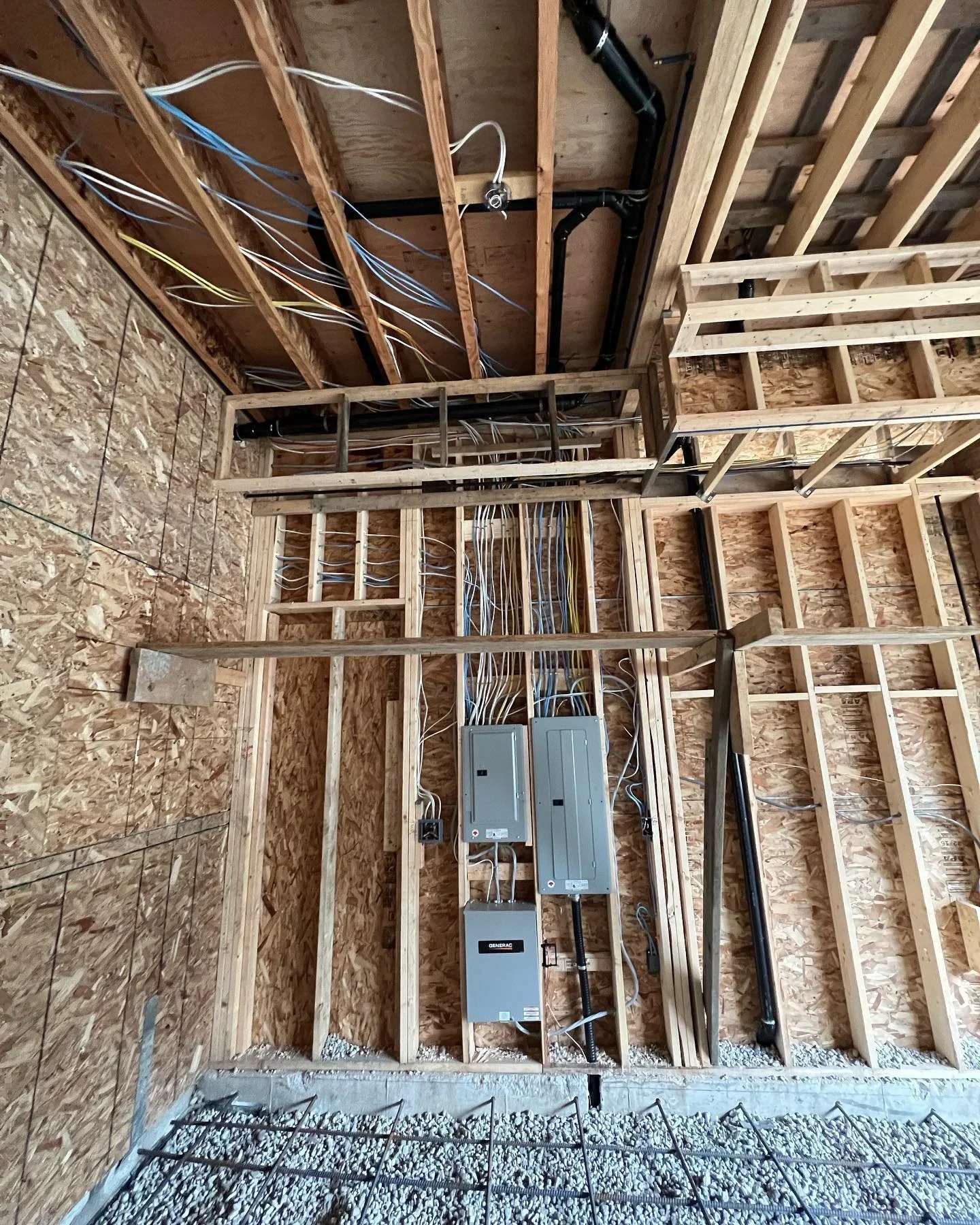
Who regulates electrical permits in BC?
Technical Safety BC administers electrical safety in much of the province, while certain municipalities have their own electrical inspection authority. That means the permit may be issued by Technical Safety BC or by the local municipality, depending on the property address.
For homeowners in Delta, Surrey, Burnaby, Richmond, Vancouver, Langley and Coquitlam, the electrician should confirm the correct authority before work begins. The permit number and inspection process should match the actual job address and scope.
What types of work usually require a permit?
Permit requirements commonly apply when fixed wiring or electrical equipment is installed, altered, extended or replaced. Examples include a new branch circuit, panel replacement, service upgrade, EV charger, hot tub, heat pump circuit, secondary suite, renovation wiring, detached-building feeder and new construction.
Replacing a damaged device or performing maintenance can sometimes fall into a different category, but the details matter. Moving a receptacle, extending a circuit or changing the wiring method may turn what appears to be a simple replacement into permitted work. The safest approach is to ask the licensed contractor or authority before starting.
Why permits matter to the homeowner
A permit creates a record that regulated work was declared and completed under the responsibility of an authorized person. It gives the safety authority an opportunity to assess the installation and helps establish who was accountable for the work.
Permit records can also matter during insurance reviews, property sales, strata approvals and future renovations. An electrician opening a panel years later can better understand prior work when the permit and contractor information are available.
Does every permitted job receive an on-site inspection?
Not every permit is handled in exactly the same way. Safety authorities use different assessment and inspection methods based on the scope, risk, contractor history and jurisdiction. Some work receives an on-site inspection, while other permits may be assessed through declarations, documentation or selective inspection.
A contractor should not promise that a permit automatically means every concealed connection was physically inspected. The contractor remains responsible for completing the installation correctly and providing accurate declarations.
Can a homeowner pull an electrical permit?
Technical Safety BC allows eligible homeowners to apply for certain homeowner electrical permits, subject to qualification and property restrictions. The homeowner must meet the authority’s requirements and is personally responsible for the work. A homeowner permit is not a way to cover work performed by an unlicensed person.
When a licensed contractor is hired, that contractor should obtain the permit under its own licence. Be cautious if someone asks the homeowner to pull a permit while the person performs the work for payment. That arrangement can shift responsibility improperly and may leave the homeowner without the protection expected from hiring a licensed contractor.
What should be included in the permit scope?
The scope should accurately describe the work being performed. For example, a service upgrade permit should include the service alteration and associated panel work. An EV charger permit should reflect the charger, branch circuit and load-management equipment when applicable.
Adding significant work after the permit is issued may require an amendment or additional permit. The contractor should not hide extra work under an unrelated scope simply to avoid fees or review.
Permits for panel and service upgrades
A panel replacement or service-capacity increase requires coordination beyond the panel itself. The project may involve the meter, service conductors, grounding and bonding, utility disconnect and reconnect, and current clearance requirements.
BC Hydro connection work is separate from the electrical permit. A licensed contractor may need to submit a service request, coordinate utility scheduling and complete the electrical installation under the relevant permit. Hundel Electric provides service-upgrade planning for this complete process.
Permits for EV chargers, hot tubs and heat pumps
These projects add substantial fixed loads and normally require a load calculation or capacity review. The permit submission may need equipment information, charger or control details, and the proposed circuit rating. For hot tubs and outdoor equipment, grounding, bonding, GFCI protection, disconnecting means and installation location are also important.
Do not purchase equipment solely because it fits the available wall space or because an unused breaker position exists. The contractor should review the service capacity and product instructions before confirming the installation.
What happens when previous work has no permit?
Unpermitted work is common in older homes, especially after basement, kitchen or garage renovations. The first step is not to panic; it is to determine what was changed and whether the installation is safe. An electrician can inspect accessible work, identify deficiencies and discuss the authority’s process for correcting or documenting the installation.
A current contractor generally cannot certify concealed work that it did not install and cannot inspect. Walls may need to be opened, testing may be required, and deficiencies must be corrected before the authority accepts the work. The process depends on the scope and jurisdiction.
How to verify a permit
Ask the contractor for the permit number and issuing authority. Keep the final invoice, scope, inspection correspondence and equipment documents with the property records. Technical Safety BC also provides permit and contractor lookup tools for work within its jurisdiction.
A permit should be obtained before regulated work begins, not only after a problem or property sale brings the installation to attention.
Frequently asked questions
Do I need a permit to replace a light fixture?
A direct maintenance replacement may be treated differently from adding wiring, moving the outlet box or altering the circuit. Requirements vary by scope and authority, so ask before assuming.
Who pays the permit fee?
The contractor normally includes the permit as a line item or part of the quoted scope. The customer ultimately pays the project cost, but the permit should be issued under the party legally responsible for the work.
Can an electrician start before the permit is issued?
Regulated work should not begin until the required permit is in place. Emergency situations may follow special procedures, but convenience or scheduling pressure is not a reason to skip the permit.
Does a permit guarantee insurance coverage?
No. A permit supports lawful installation and safety oversight, but the property owner must still meet the insurer’s separate underwriting requirements and disclose relevant changes when required.
Lower Mainland electrical service
Need permitted electrical work completed properly?
Hundel Electric can confirm the likely permit authority, prepare the electrical scope and coordinate the required process for projects in Delta, Surrey, Burnaby, Richmond, Vancouver, Langley and Coquitlam.
This article provides general information for property owners in British Columbia. Electrical requirements depend on the property, equipment, local authority and current code interpretation. A site-specific assessment and the required permit process should be completed before electrical work begins.