Why You Should Always Hire a Licensed Electrician in BC
Hiring a licensed electrical contractor is not only about getting neat workmanship. In British Columbia, licensing, permits, qualified supervision and declarations establish who is legally responsible for regulated electrical work. That responsibility matters when there is an inspection, insurance question, property sale or problem after the job is complete.
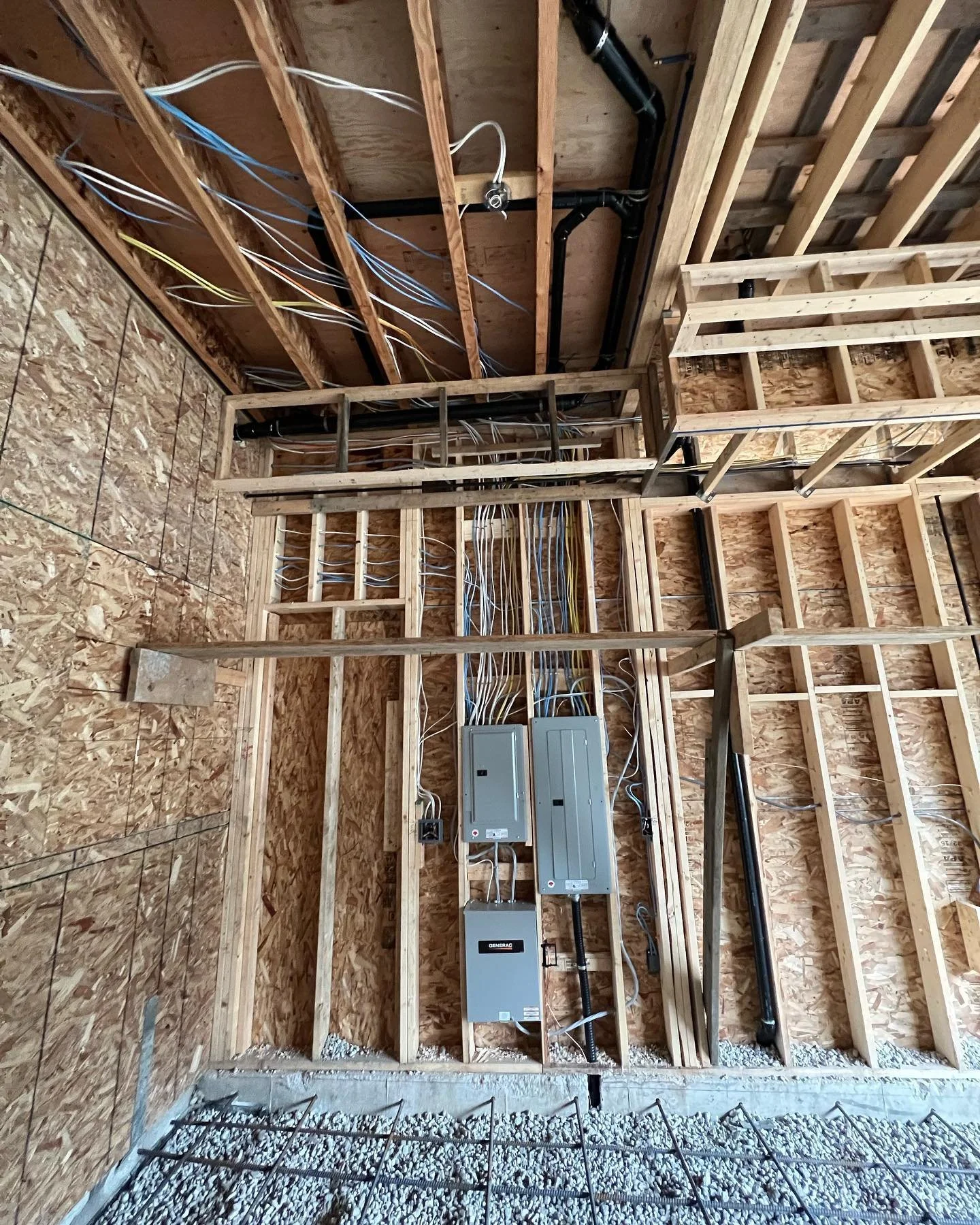
Electrician certification and contractor licensing are different
A Red Seal electrician has recognized trade certification, but a business performing regulated electrical contracting work also needs the required contractor licence and qualified field-safety representation. The exact structure depends on the jurisdiction and licence class.
This distinction matters because the licensed contractor is responsible for permits, supervision and declarations. A skilled individual doing paid work outside an authorized contracting business may not provide the legal accountability the homeowner expects.
What an FSR does
A Field Safety Representative is qualified to oversee regulated work within the scope of the certification and contractor licence. The FSR is part of the system that ensures installations are planned, supervised and declared by qualified people.
Homeowners do not need to understand every licence class, but they should know the contractor can legally perform the proposed work. Hundel Electric has Red Seal and FSR-certified electricians and lists its credentials on the licences and certificates page.
The contractor should obtain its own permit
When a licensed electrical contractor is hired, it normally obtains the electrical permit under its licence. Be cautious if a paid worker asks you to pull a homeowner permit so that person can perform the work. A homeowner permit is intended for eligible owners who personally meet the requirements and accept responsibility.
The quote should state whether the permit is included. Ask for the permit number and keep it with the final invoice.
Why a written scope protects both sides
Electrical projects can sound simple until walls are opened or equipment specifications change. A written quote should describe the equipment, circuit rating, wiring route, permit, testing, restoration exclusions and what happens if concealed deficiencies are found.
For panel upgrades and new construction, the scope should also identify service rating, panel brand or allowance, breaker count, utility coordination, temporary power, fixtures and change-order process. Clear scope reduces disputes and makes competing quotes easier to compare.
Insurance and business accountability
Ask whether the contractor carries appropriate commercial liability insurance and workers’ coverage where applicable. Insurance does not replace good workmanship, but it is an important part of operating a legitimate contracting business.
A company with a physical business identity, invoices, licence information and established contact details is easier to hold accountable than a cash-only operator who disappears after the job.
Permits do not replace workmanship
A permit creates oversight and a record, but the contractor remains responsible for the installation. Not every connection is physically inspected, and concealed work may be assessed through declarations or selective inspection.
Choose a contractor based on communication, scope, experience and professionalism—not only the promise that the work “will pass inspection.” Passing inspection is the minimum expectation, not the entire measure of quality.
How to compare electrical quotes
Compare the same scope. One quote may include the permit, premium equipment, labeling, disposal and utility coordination, while another excludes them. A low number is not meaningful if the project later requires several additions.
Ask which materials are included, whether fixtures are owner-supplied, how warranty calls are handled and what payment schedule applies. For larger projects, milestone payments should match completed work rather than requiring most of the price before installation begins.
Warning signs when hiring
Warning signs include refusing to provide a licence number, asking the homeowner to obtain the permit, insisting on cash with no invoice, proposing a larger breaker without checking wire size, dismissing load calculations, mixing incompatible panel equipment or giving a final price without seeing critical project details.
Another warning sign is an electrician who will not explain exclusions. Honest contractors acknowledge what cannot be confirmed until access is available.
Why experience with the project type matters
An electrician who mainly performs small service calls may not be the best fit for a fourplex, while a large construction contractor may not prioritize a one-hour troubleshooting visit. Look for experience that matches the scope.
Hundel Electric serves residential and commercial customers, including EV chargers, panel upgrades, troubleshooting, renovations and multi-unit construction across the Lower Mainland.
Communication during the job
The contractor should identify who can approve changes and document additional work before proceeding whenever practical. Photos of concealed work, updated panel schedules and equipment manuals add value after the project is complete.
For occupied homes, discuss shutdown duration, access, pets, dust protection and restoration. For construction, confirm schedule, drawing revisions, inspections and coordination with other trades.
What records should you receive?
Keep the written quote, change orders, permit number, final invoice, product warranties, inspection correspondence and any load-management or service documentation. These records can help with insurance, rebates, future maintenance and property sale.
Frequently asked questions
Is the cheapest electrician usually a bad choice?
Not necessarily, but compare scope and accountability. A lower price may reflect efficiency, or it may omit permits, materials and required work.
Can a handyman replace electrical wiring?
Paid regulated electrical work must be performed under the appropriate legal authority. A handyman’s general business licence is not the same as an electrical contractor licence.
Should I pay the full amount upfront?
For small material-heavy jobs a deposit may be reasonable. For larger projects, payments should be tied to clear milestones. Avoid paying the entire price before meaningful work or material delivery.
How do I verify a contractor?
Use the regulator or municipal lookup process for the property jurisdiction and confirm the business name matches the quote and permit.
Lower Mainland electrical service
Need a licensed electrical contractor for your project?
Send photos, drawings or equipment information. Hundel Electric will provide a clear scope, identify the permit requirements and explain what is included before work begins.
This article provides general information for property owners in British Columbia. Electrical requirements depend on the property, equipment, local authority and current code interpretation. A site-specific assessment and the required permit process should be completed before electrical work begins.