Aluminum Wiring in Older Lower Mainland Homes - What Buyers and Homeowners Should Know
Aluminum branch-circuit wiring is found in many Lower Mainland homes built or renovated during the 1960s and 1970s. Its presence does not automatically mean the entire home must be rewired, but it does mean the connections, devices and repair history deserve careful review—especially before purchasing, renovating, changing insurance or adding large electrical loads.
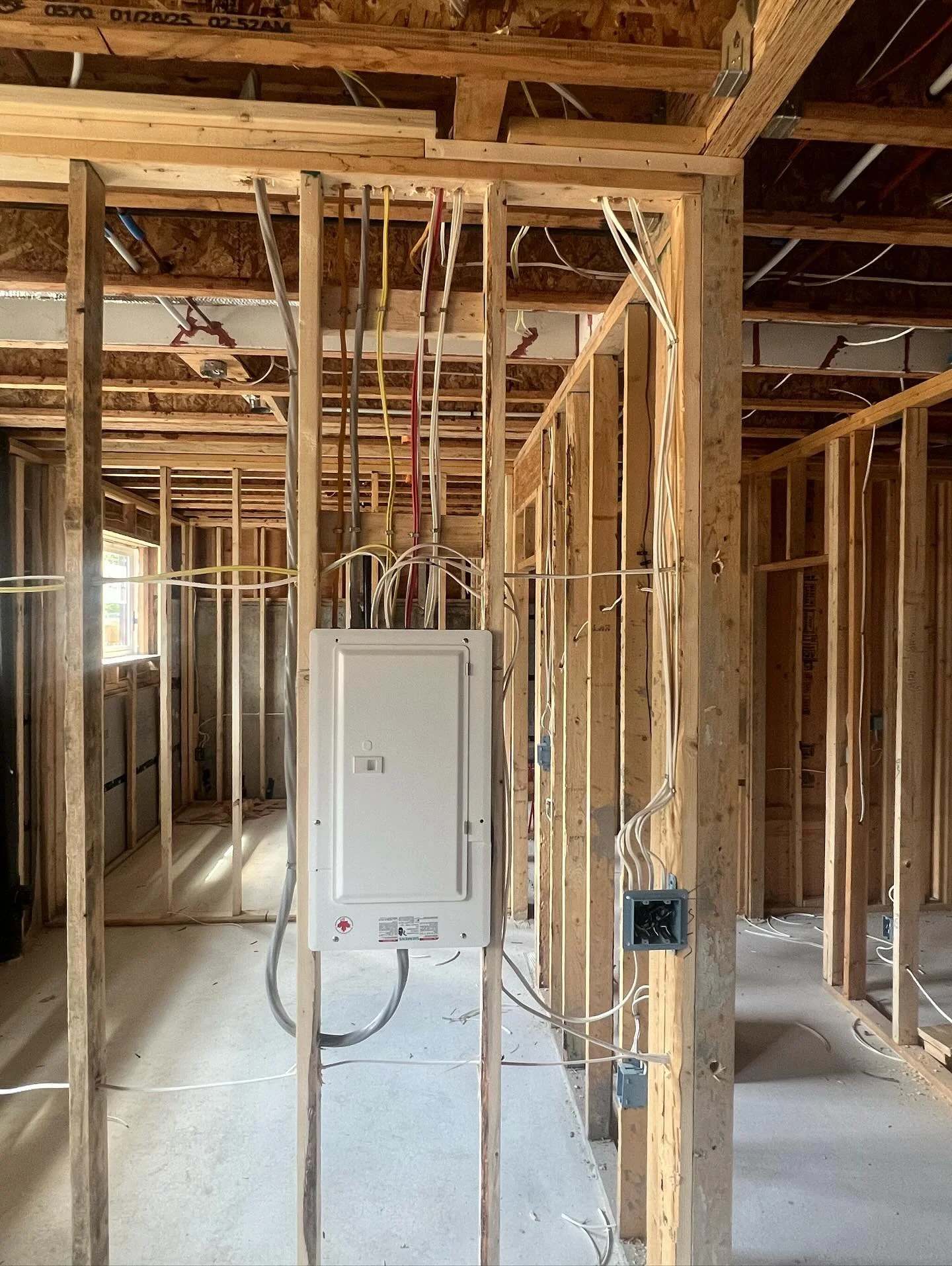
Why aluminum wiring was used in homes
During a period of high copper prices, solid aluminum conductors were used for some residential branch circuits. These are the circuits that typically feed receptacles, switches and lighting, rather than the larger stranded aluminum conductors that are still commonly used for services and feeders when designed and terminated correctly.
The concern is not that aluminum cannot conduct electricity. The concern is that aluminum behaves differently from copper at connection points. It expands and contracts more with temperature changes, develops an oxide layer and is softer than copper. Connections that were not designed, installed or maintained for aluminum conductors can loosen and create resistance over time.
Why connection points matter most
Electrical current passing through a loose or resistive connection creates heat. That heat can accelerate deterioration, which creates more resistance and further heating. This cycle may occur behind a receptacle or switch without immediately tripping the breaker.
That is why an aluminum-wiring assessment should not stop at identifying the cable. The electrician should evaluate representative devices and splices, look for signs of overheating, confirm whether equipment is approved for aluminum conductors and determine whether previous repairs were completed using recognized methods.
Common warning signs
Many homes with aluminum wiring show no obvious symptoms. When symptoms do appear, they may include warm receptacle or switch plates, flickering lights, intermittent power, buzzing, discolouration, a burning odour or equipment that stops working and later returns to normal.
These signs require prompt attention, but their absence is not proof that every connection is sound. A pre-purchase or insurance inspection may uncover incompatible devices or improper copper-to-aluminum splices before visible damage occurs.
How to identify aluminum branch wiring
Markings on accessible cable jackets may include words or abbreviations indicating aluminum, but the markings are often hidden behind finished walls. The age of the home can suggest the possibility, yet construction dates alone are not conclusive because homes may have been renovated in stages.
A licensed electrician can inspect the panel and selected devices to identify conductor material and connection methods. Homeowners should not pull receptacles out of boxes to look for aluminum conductors. The wires can be damaged, and energized parts may be exposed.
Does aluminum wiring have to be completely replaced?
Not in every case. Full rewiring provides a comprehensive long-term solution, but it can be disruptive and may not be necessary when the cable is in good condition and approved remediation is practical. The correct recommendation depends on the wiring, device layout, access, insurance requirements, renovation plans and condition of the existing connections.
Hundel Electric’s aluminum wiring inspection and repair service is intended to identify the actual condition rather than assume that every property needs the same solution.
Common remediation approaches
One approach is to replace devices with models specifically rated for the conductor type and installed in accordance with their approval. Another is to create approved copper pigtails using a connector and installation method intended for copper-to-aluminum connections. In more extensive renovations, selected circuits or the complete branch wiring may be replaced with copper.
The key word is approved. Ordinary wire connectors, improvised compounds or devices marked only for copper should not be used as substitutes. Each splice must be installed according to the connector manufacturer’s instructions, including conductor preparation, strip length, torque and box-fill considerations.
What an aluminum-wiring inspection should include
A useful inspection begins at the service equipment and identifies which circuits appear to contain aluminum conductors. The electrician may open a representative sample of receptacles, switches, lights and junctions, paying particular attention to high-use areas, visible repairs and locations with signs of heat.
The report should distinguish observed conditions from inaccessible areas. It may document conductor type, compatible or incompatible devices, existing pigtails, evidence of overheating, panel condition, grounding and bonding concerns, and recommended next steps. When an insurer requests documentation, ask in advance whether it requires a specific form or remediation method.
Aluminum wiring and home insurance
Insurance companies do not all treat aluminum wiring the same way. One company may accept an electrician’s inspection, while another may require remediation or decline coverage. The age and type of panel, previous claims, renovations and overall electrical condition may also affect the underwriting decision.
Before paying for work, provide the insurer’s written requirements to the electrical contractor. This avoids completing a repair that is technically acceptable but does not satisfy the insurer’s documentation process.
Buying a home with aluminum wiring
Aluminum wiring should be treated as a condition to investigate, not an automatic reason to walk away. Before removing subjects, obtain an electrical inspection and ask for any permits, invoices or reports from previous repairs. A general home inspection may flag the wiring but usually cannot open enough electrical devices to assess the connection methods in detail.
The findings can help the buyer estimate remediation costs, discuss insurance before completion and plan future renovations. Hundel Electric also offers an electrical safety inspection for older homes and properties with uncertain electrical history.
Renovations can expose hidden problems
When a kitchen, basement or bathroom is renovated, older aluminum circuits may be extended, altered or connected to new copper wiring. This is the point where incompatible splices and crowded boxes often appear. The electrician should review the existing circuit before new work is tied into it.
Renovation planning is also an opportunity to replace heavily loaded circuits, add modern dedicated circuits and improve access. Partial rewiring should be documented clearly so future owners understand which areas remain aluminum and which have been upgraded.
Frequently asked questions
Is aluminum wiring illegal in British Columbia?
Its presence in an existing home is not automatically illegal. The condition, equipment compatibility and quality of terminations determine whether corrective work is needed. New work and alterations must follow current requirements and approved installation methods.
Can I use ordinary receptacles with aluminum wiring?
Only equipment specifically approved for the conductor and installation method should be used. A device that accepts copper conductors is not automatically approved for solid aluminum branch wiring.
Will a breaker trip before an aluminum connection overheats?
Not necessarily. A loose high-resistance connection can produce localized heat without drawing enough current to trip a standard breaker. That is one reason connection inspections are important.
Should I replace the panel at the same time?
The panel should be evaluated separately. It may be serviceable, or it may have age, damage, capacity or equipment concerns that make replacement sensible while other electrical work is underway.
Lower Mainland electrical service
Concerned about aluminum wiring in a Lower Mainland home?
Send the property age, panel photos and any insurer or home-inspection notes. Hundel Electric can assess the wiring, explain the observed risks and provide a practical repair or rewiring scope.
This article provides general information for property owners in British Columbia. Electrical requirements depend on the property, equipment, local authority and current code interpretation. A site-specific assessment and the required permit process should be completed before electrical work begins.