House Rewiring Cost in BC: What Changes the Price?
House rewiring cost in BC depends on the size and age of the home, the condition of the existing wiring, how accessible the walls and ceilings are, and whether the project also includes a panel or service upgrade. A small, accessible house in Delta can be a very different project from a finished, multi-level home in Vancouver or Burnaby.
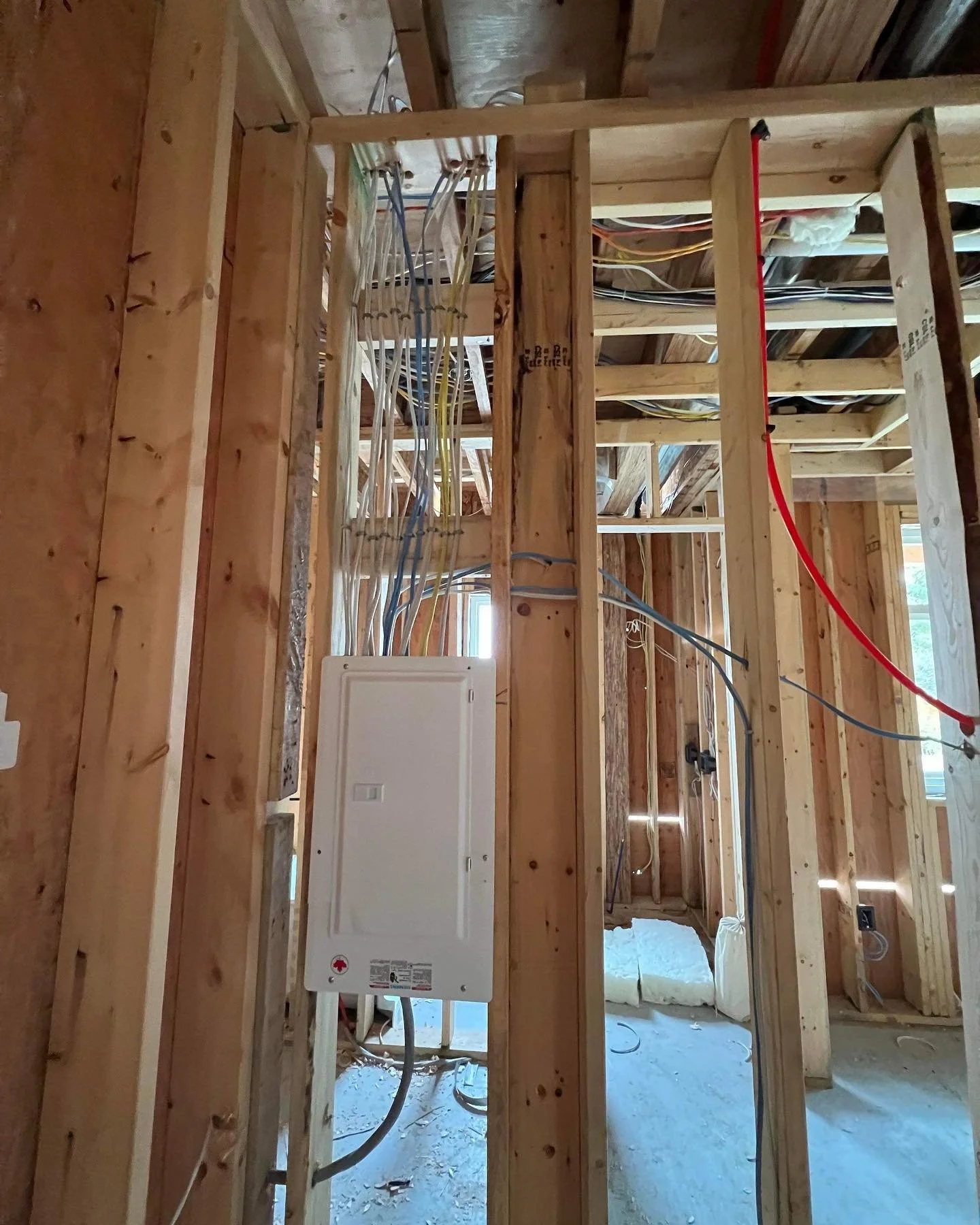
What does a whole-house rewire include?
A full rewire usually means replacing some or all of the branch-circuit wiring and updating the devices, boxes, breakers, grounding and labeling that go with it. The exact scope depends on what is present. A home may have a mixture of older cable, newer additions, renovations and repairs.
The quote should state whether it includes receptacles, switches, lighting outlets, smoke and carbon-monoxide alarm circuits, appliance circuits, garage wiring, exterior circuits, basement areas and a final cleanup. It should also say what is excluded, such as drywall, paint, cabinetry removal or asbestos-related work.
The biggest factors behind rewiring cost
1. Home size and layout
More rooms create more circuits, boxes and cable runs. A simple bungalow can be easier to access than a three-storey home with finished ceilings, additions or multiple suites. The number of kitchens, bathrooms, bedrooms and outbuildings also changes the scope.
2. Access to walls and ceilings
Rewiring is faster when electricians can work from an unfinished basement, attic or open framing. Finished plaster, tile, built-in cabinets and tight crawlspaces require more planning. Your electrician may recommend opening only selected areas, using existing pathways where suitable and coordinating access with the renovation contractor.
3. The existing wiring type and condition
Knob-and-tube, aluminum branch wiring, damaged cable, overloaded circuits and ungrounded receptacles each create different questions. A visual inspection can identify warning signs, but the final plan should be based on the wiring actually found in the walls and on the intended use of the home.
4. Panel and service capacity
A rewire may expose an older panel, limited breaker spaces or a service that cannot support planned loads. If the home will also add an EV charger, heat pump, hot tub, suite or electric range, ask for a load assessment before choosing equipment. A panel replacement is not automatically the same as a service upgrade.
5. Finish work and restoration
Electrical contractors can coordinate access and leave openings ready for repair, but drywall, plaster, paint and millwork are often separate scopes. Ask who is responsible for patching and whether the quote assumes access before the walls are finished.
When does an older home need rewiring?
Common reasons include frequent breaker trips, brittle or damaged insulation, ungrounded receptacles, heat or discolouration at devices, missing junction-box covers, an inadequate number of circuits, or a planned renovation that exposes old wiring. A home inspection report may recommend an electrician’s assessment, but it is not a substitute for tracing and testing the electrical installation.
Do not rely on the age of the house alone. Some older homes have had sections rewired; some newer renovations may have incomplete or poorly documented work. A room-by-room inventory is more useful than a single label such as “old wiring.”
Can you rewire one part of the house?
Sometimes. A phased project can make sense when the risk and future renovation sequence are clear. The electrician should document what remains, how the existing and new work connect, and whether the partial scope solves the safety or capacity problem. Rewiring only the visible renovation area may not correct an issue elsewhere in the home.
Permits and inspections
Electrical permits are commonly required for alterations, but the issuing authority depends on the property’s location. Technical Safety BC administers permits in many areas, while municipalities such as Surrey, Burnaby and Vancouver have their own processes. Permit scope and inspection requirements can also depend on whether the work is residential, a secondary suite, strata, commercial or part of a larger building permit.
Use the current authority’s permit guidance and make sure the contractor identifies who is obtaining the permit. Current BC guidance is linked in the source notes below.
How to request a more useful estimate
- Tell the electrician the home’s age, approximate size and number of floors.
- List renovations and planned loads, including an EV charger, heat pump, hot tub, suite or workshop.
- Send photos of the panel, meter, unfinished areas and any damaged devices.
- Share an inspection report, renovation drawings or a room list if available.
- Ask for separate lines for electrical work, permit/utility items and restoration.
Questions to ask before accepting a rewiring quote
Ask whether the quote includes new boxes, devices, breakers, grounding and bonding, circuit labeling, smoke alarms, temporary protection, permit coordination, inspection corrections and debris removal. Confirm how concealed conditions are handled. A detailed quote may change after walls are opened; that is normal for a concealed-wiring project.
Frequently asked questions
Does a rewire require moving out?
Not always, but the answer depends on the number of rooms affected, the outage plan, dust and access. Occupied homes should have a room-by-room schedule before work begins.
Will rewiring increase the home’s value?
Safe, documented electrical work can improve confidence for owners, buyers and insurers, but the value depends on the property and market. Keep permits, invoices and inspection records.
Can a rewire solve every electrical problem?
It can address wiring-related issues, but service capacity, utility equipment, structural access, plumbing, fire separations and other building conditions may require separate work.
Lower Mainland electrical service
Need a clear electrical plan?
Send photos, the property location and a short description of the work. Hundel Electric serves Delta, Surrey, Burnaby, Vancouver, Richmond, Langley and surrounding Lower Mainland communities.
This article is general information for property owners, builders and businesses in British Columbia. Requirements, approvals, permit jurisdiction and equipment decisions depend on the property and the current rules of the authority having jurisdiction. Confirm the project with a licensed electrical contractor before work begins.
Current reference: BC Electrical Code overview.