Hot Tub Electrical Requirements: 40A vs 50A vs 60A in BC
A hot tub’s 40A, 50A or 60A label is only one part of the electrical design. The correct circuit, equipment rating, disconnect location, wiring method, bonding, routing and service capacity depend on the manufacturer’s nameplate and the property. The same planning applies whether the tub is in Delta, Surrey, Burnaby, Vancouver, Richmond or Langley.
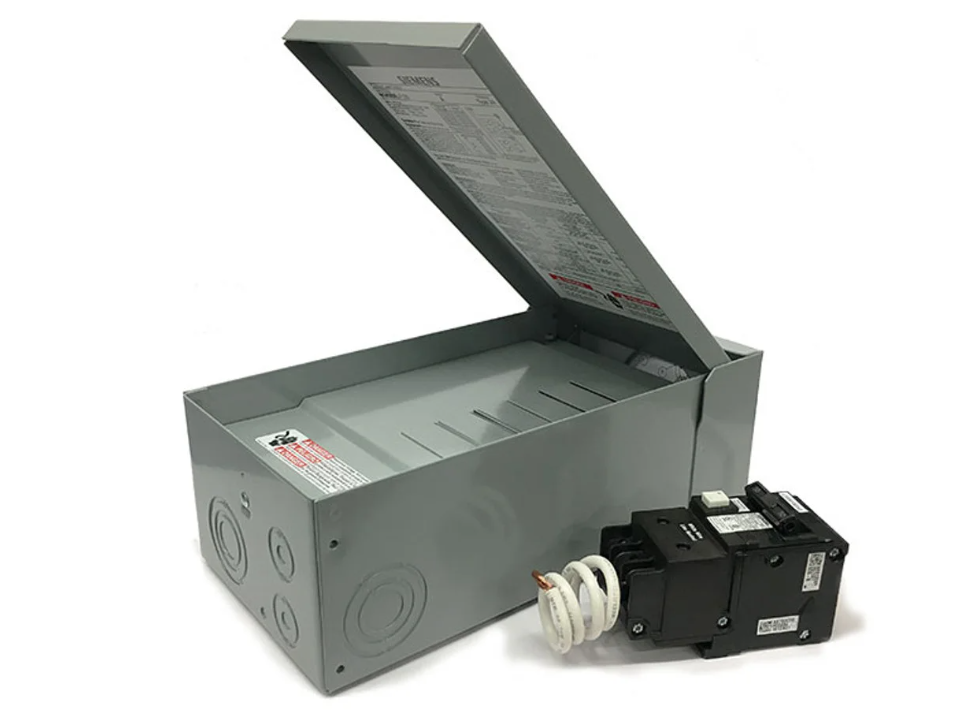
What do 40A, 50A and 60A mean?
They generally describe the circuit or supply rating selected for a particular hot tub configuration. The manufacturer may specify a minimum circuit ampacity, maximum overcurrent protection or a field setting. Those numbers are not interchangeable between models.
A tub that can operate at different output levels may have different electrical requirements depending on the heater, pumps, blower and other options. Always use the current installation instructions for the exact model.
What the electrician checks
- Nameplate and manufacturer installation requirements.
- Available capacity in the service and panel.
- Breaker and circuit arrangement.
- Wire size and wiring method for the route.
- Outdoor equipment, weather exposure and protection.
- Disconnect location and access.
- Grounding, bonding and inspection requirements.
- Trenching, deck access, landscaping and restoration.
Does a hot tub need its own circuit?
Hot tubs are normally planned as dedicated equipment because they are a significant continuous load and must be installed according to the equipment instructions and applicable electrical requirements. The exact design should be confirmed at the property rather than copied from another installation.
Where should the disconnect go?
The disconnect must be accessible and located according to the applicable electrical requirements and manufacturer instructions. It should not be hidden behind a locked gate, buried under a deck or placed where a service person cannot safely reach it.
Before the deck or concrete is finished, mark the proposed route and equipment locations. Moving a disconnect later can require new conduit, surface repair or a longer outage.
Can my existing panel handle the hot tub?
Maybe. Breaker space and service capacity are separate questions. A panel can have an open space and still lack the capacity for another large load. A load review should include the home’s heating, range, dryer, water heater, EV charger, heat pump and other major equipment.
If capacity is tight, the electrician may discuss a service upgrade, load management, a lower-output equipment setting or changes to another load. The hot tub should not be connected until the complete design is approved.
Indoor versus outdoor routing
An outdoor route may use exposed conduit, underground conduit or a combination. The route must be protected from damage and coordinated with decks, fences, paving, irrigation and landscaping. Underground work may require locates and restoration.
Keep photos of the route before it is covered. That helps future owners and electricians understand the installation.
Permits and inspections
Electrical permits may be issued by Technical Safety BC or the municipality, depending on the property location. Confirm the current jurisdiction before work begins. A licensed contractor should identify the permit and inspection steps in the quote.
What to send for a hot tub quote
Send the model number, installation manual, distance from panel to tub, photos of the panel and route, property city, deck or paving details, and every other major electrical load. This is enough for a useful first conversation and helps avoid a quote based on the wrong amp rating.
Frequently asked questions
Can I plug the tub into an outdoor receptacle?
Only if the equipment is specifically designed and approved for that installation. Many permanent hot tubs require a dedicated hardwired connection and disconnect.
Will a hot tub require a 200-amp service?
Not automatically. The answer depends on the service, existing demand and equipment requirements.
Can the electrician install the tub too?
Hundel Electric can plan and install the electrical connection. The tub supplier or spa installer may handle placement, plumbing and startup.
Lower Mainland electrical service
Need a clear electrical plan?
Send photos, the property location and a short description of the work. Hundel Electric serves Delta, Surrey, Burnaby, Vancouver, Richmond, Langley and surrounding Lower Mainland communities.
This article is general information for property owners, builders and businesses in British Columbia. Requirements, approvals, permit jurisdiction and equipment decisions depend on the property and the current rules of the authority having jurisdiction. Confirm the project with a licensed electrical contractor before work begins.
Current reference: BC Electrical Code overview. Model-specific requirements come from the hot tub manufacturer’s current instructions.